How Hafilat Card Supports Smart Transport System 2026


 May 20, 2026 4:02 pm
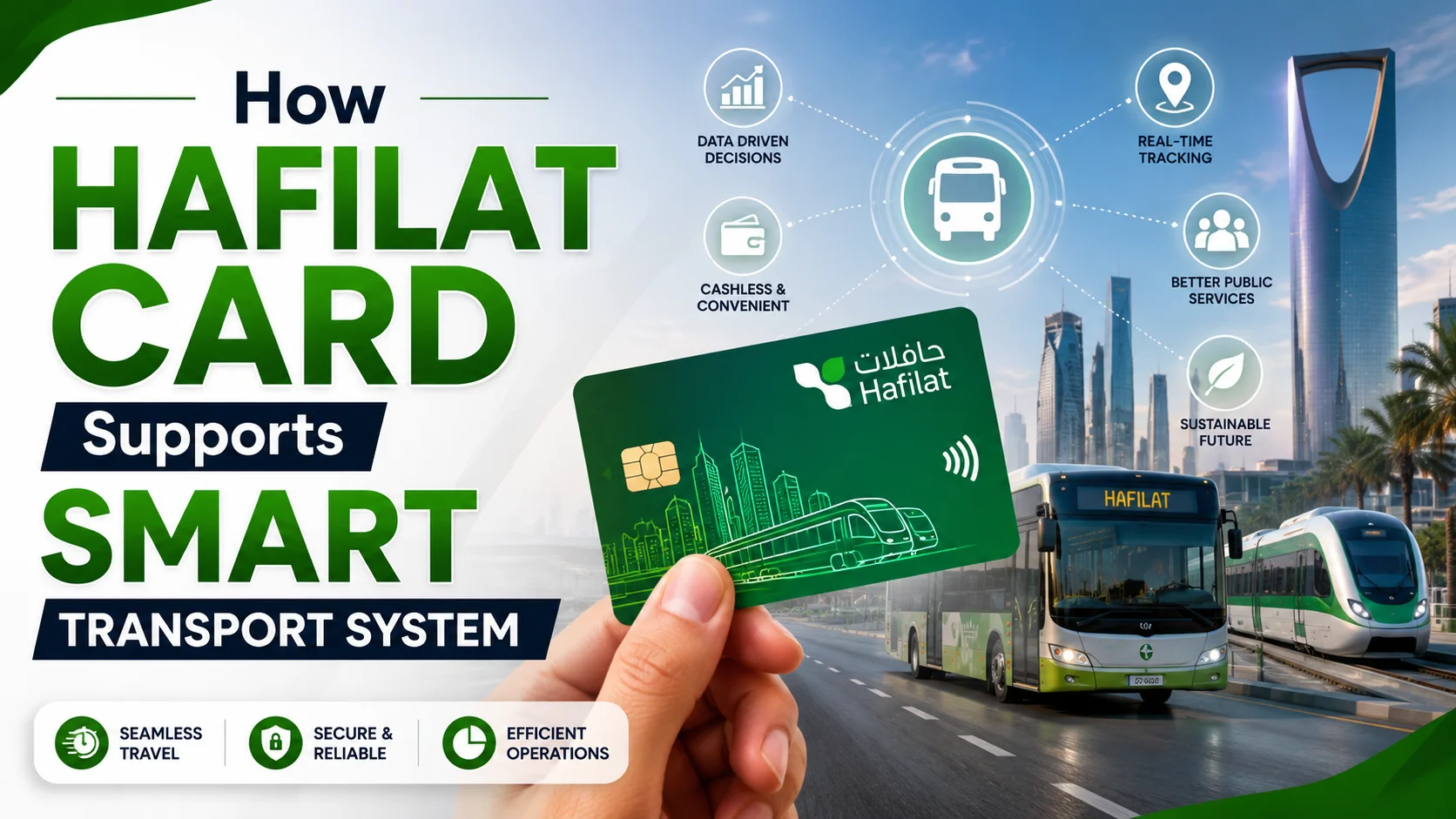
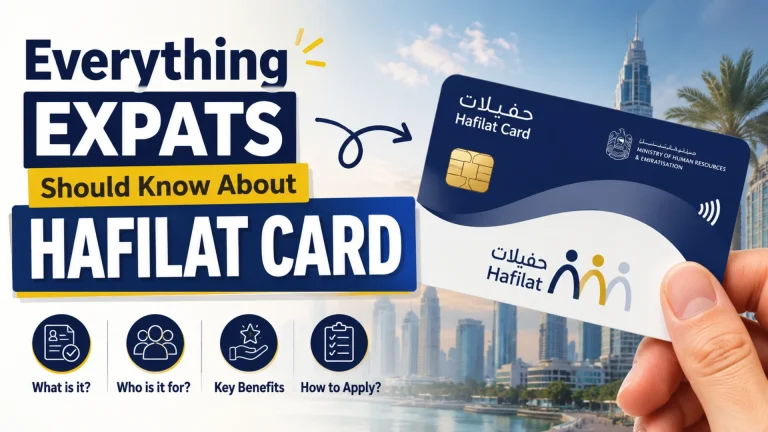
How Hafilat Card Supports Smart Transport System. As cities around the world race toward smarter, more connected urban environments, Abu Dhabi has positioned itself as a frontrunner in digital mobility. At the heart of this transformation is the Hafilat Card, a contactless smart payment card that does far more than simply collect bus fares. It is a cornerstone of Abu Dhabi’s intelligent transport infrastructure, enabling data-driven decision-making, seamless commuter experiences, and a future-ready public transit network.
This article explores in depth how the Hafilat Card supports the smart transport system in Abu Dhabi, why it matters for residents and visitors alike, and what it means for the UAE’s broader vision of sustainable urban mobility.
Importance of Smart Transportation in 2026
Before understanding the role of the Hafilat Card, it is important to understand why smart transportation systems are essential in 2026.
Modern cities face several transportation challenges, including the following:
Smart transport systems use advanced technologies such as artificial intelligence, digital payment systems, real-time tracking, cloud computing, and data analytics to solve these issues.
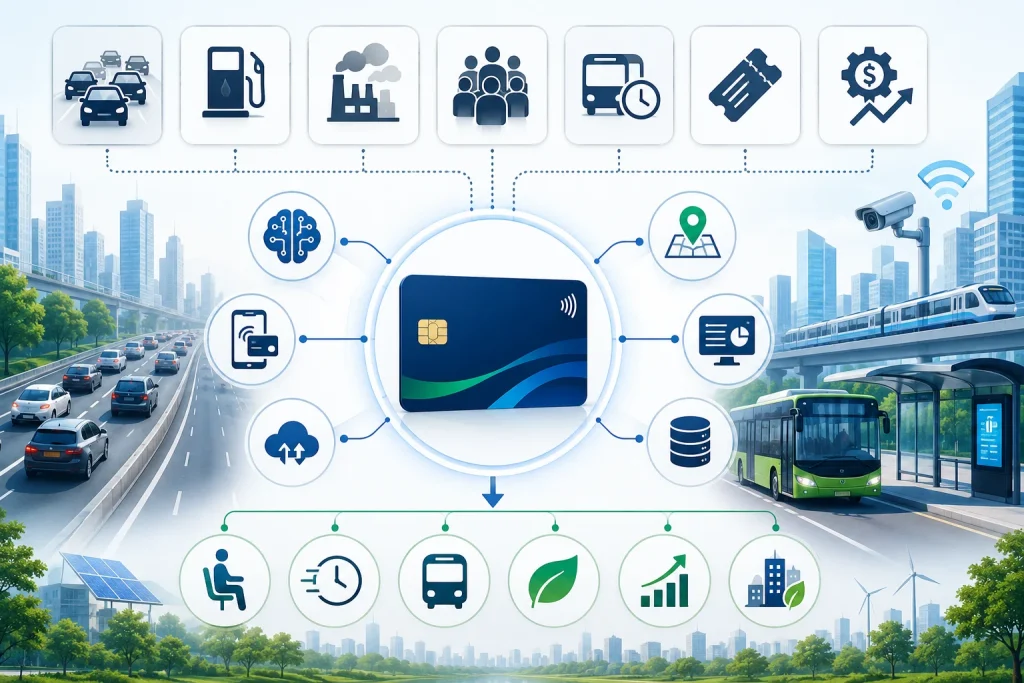
The goal of smart transportation is to:
The Hafilat Card plays an important role in achieving these objectives.
Why the Hafilat Card Is a Model for the Region
The Hafilat Card is more than a payment tool. It is a strategic infrastructure asset that connects people, data, and technology into a unified smart mobility ecosystem. Its features, automated fare collection, transfer integration, mobile app connectivity, data-driven planning, and inclusive subsidies, collectively address the key challenges of modern urban transport: efficiency, affordability, accessibility, and sustainability.
As Abu Dhabi continues to grow and evolve, the Hafilat Card will remain a vital instrument in the emirate’s journey toward a fully smart, sustainable, and people-centered transport system. It represents a blueprint that other cities across the region can learn from and replicate as they pursue their own smart city ambitions.
How Hafilat Card Supports Smart Transport System in Abu Dhabi
1. Automated Fare Collection (AFC) The Foundation of Smart Transit
One of the most critical components of any smart transport system is its fare collection mechanism. Manual, cash-based systems create bottlenecks, introduce human error, and make it nearly impossible to track ridership data at scale.
The Hafilat Card solves all of these problems simultaneously. When a passenger taps in and taps out, the system:
This level of automation is not merely convenient; it forms the data backbone of a smart transport system. Every tap generates structured, timestamped, geo-tagged data that helps transport planners understand demand patterns, peak hours, and underserved routes.
2. Real-Time Data Collection for Smarter Planning
Every time a Hafilat card is used, a data point is created. Multiply that by the millions of journeys recorded in 2023 alone: the number of passenger journeys on Abu Dhabi public buses exceeded 83 million trips, and you have a powerful dataset.
This data allows the ITC to:
Smart transport systems are, at their core, data-driven systems. The Hafilat Card is the tool that continuously feeds that data pipeline.
3. Integration with the Darbi Smart Mobility App
The Hafilat Card does not operate in isolation; it is deeply integrated with Darbi (formerly known as Darb), Abu Dhabi’s official all-in-one transport app developed by the Integrated Transport Centre.
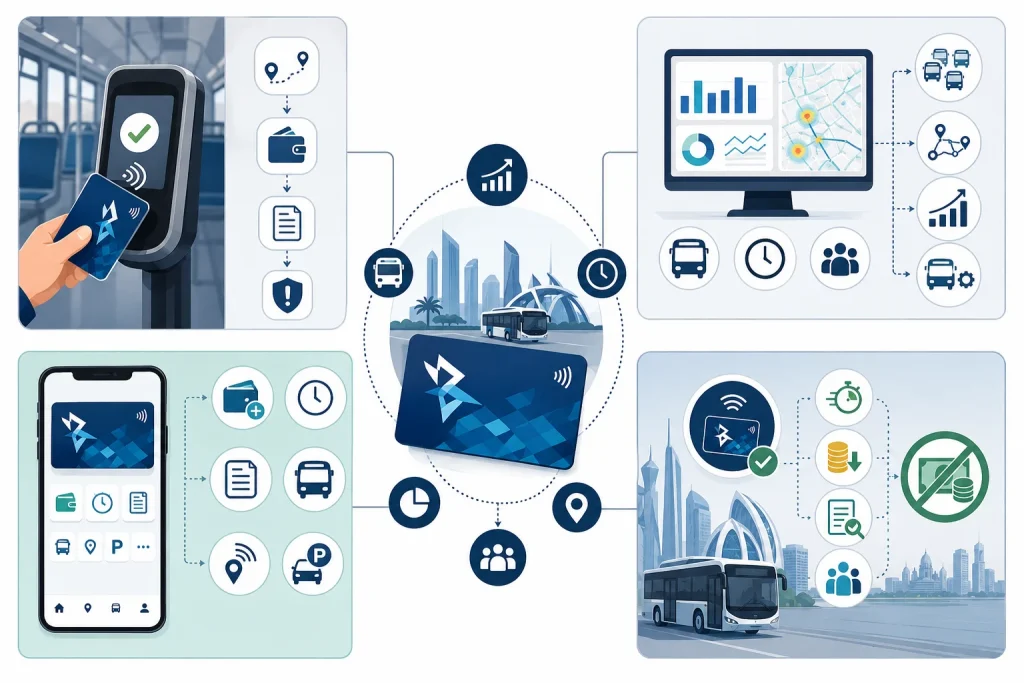
Through the Darbi app, Hafilat Card users can:
This integration transforms the Hafilat Card from a simple prepaid transit card into a gateway to a fully connected smart city mobility platform. The Darbi app is available on Android, iOS, and Huawei’s AppGallery, ensuring accessibility for virtually every smartphone user.
4. Supporting the Cashless Economy Vision
One of the UAE government’s core policy directions is the transition toward a cashless, digital economy. The Hafilat Card is a direct embodiment of this vision within the public transport sector.
Before the Hafilat system, boarding a bus in Abu Dhabi required the exact fare in coins a cumbersome, slow, and error-prone process. Today, no cash is accepted on public buses at all. Every transaction is digital, contactless, and traceable.
This shift has several important effects on the smart transport system:
5. Inclusive Design Supporting All Commuter Groups
A truly smart transport system is one that works for everyone. The Hafilat Card has been designed with inclusion at its core, offering differentiated card types and fare structures for distinct population groups:
The inclusion of these specialized card categories is not just a social policy decision; it is a smart transport strategy. By making public buses affordable and accessible to all demographic groups, the Hafilat system maximizes ridership, which in turn improves the financial sustainability and environmental efficiency of the public transport network.
6. Flexible Pass System for Demand Management
The Hafilat system offers a tiered pass structure that intelligently manages travel demand while rewarding consistent ridership.
These passes serve a critical transport planning function: they smooth out demand fluctuations by encouraging regular commuting patterns. When passengers commit to weekly or monthly passes, transport planners gain more predictable ridership forecasts, allowing for more accurate scheduling and resource allocation.
For the individual commuter, a monthly pass is especially valuable; daily commuters making two or more trips per day can save AED 60 to 70 per month compared to pay-per-trip fares. The break-even point occurs at just 15 to 20 trips per month, making passes an easy financial decision for regular bus users.
7. Environmental Sustainability and Carbon Reduction
The Hafilat Card’s contribution to Abu Dhabi’s smart transport system extends beyond technology; it directly supports environmental sustainability goals.
By making public bus travel more convenient, affordable, and efficient, the Hafilat system plays a role in encouraging commuters to choose buses over private cars. This modal shift has measurable environmental benefits:
Abu Dhabi’s public bus fleet had reached 825 buses by the end of 2023, all equipped with improved fuel efficiency and environmental sustainability specifications. The Hafilat data system helps ensure these buses operate as efficiently as possible.
This aligns with the UAE Net Zero by 2050 strategy and Abu Dhabi’s Surface Transport Master Plan (STMP), which envisions an integrated, low-emission urban mobility network.
8. Alignment with UAE Vision 2030 and Smart City Goals
The Hafilat Card does not exist in a vacuum; it is part of a deliberate national strategy. The UAE has committed to building smart cities where technology enhances the quality of life, improves government efficiency, and reduces environmental impact.
Abu Dhabi ranked among the top 30 cities globally in the Smart City Index, and investments in intelligent transport infrastructure like the Hafilat system are a direct reason for that standing.
The Hafilat Card mirrors similar systems across the UAE, Dubai’s Nol Card, Sharjah’s Sayer Card, and Ras Al Khaimah’s RAKBUS system, contributing to a cohesive, emirate-wide digital transport ecosystem. While these systems currently operate independently by emirate, the infrastructure they represent lays the foundation for eventual deeper integration.
9: Improved Security and Transparency
Traditional cash systems often face problems such as theft, fare manipulation, and accounting errors.
The Hafilat Card provides a secure digital payment environment.
Benefits include:
Digital ticketing systems are safer for both passengers and transport authorities.
Future of Hafilat Card and Smart Transportation in Abu Dhabi
The future of transportation will become even smarter in the coming years.
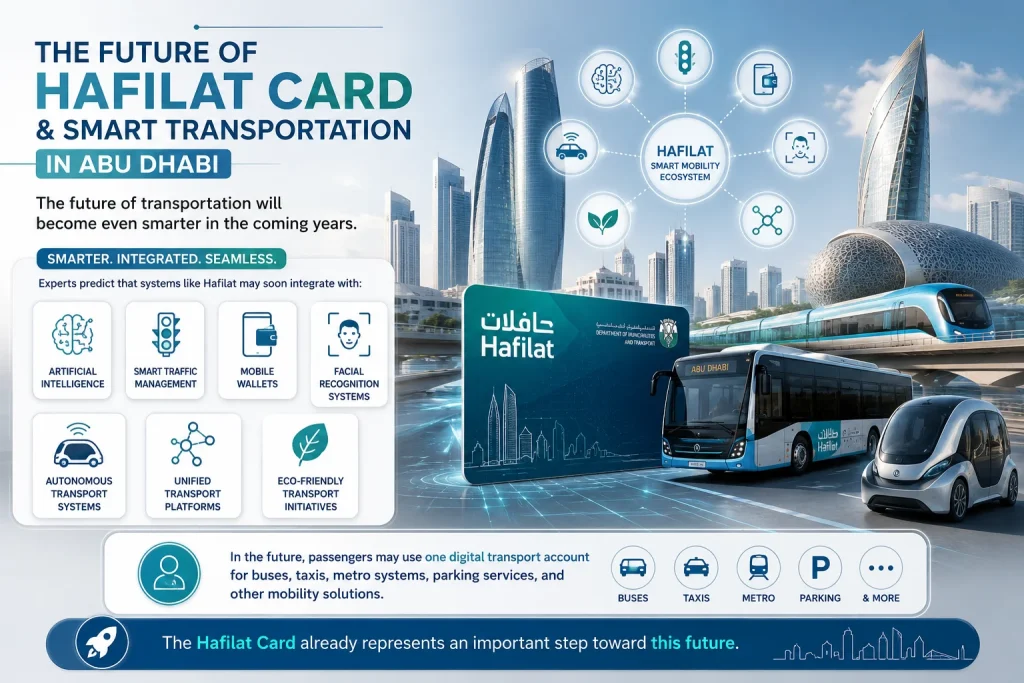
Experts predict that systems like Hafilat may soon integrate with:
In the future, passengers may use one digital transport account for buses, taxis, metro systems, parking services, and other mobility solutions.
The Hafilat Card already represents an important step toward this future.
Key Statistics That Highlight the Hafilat System’s Scale
Understanding the Hafilat Card’s impact requires context:
Challenges & Opportunities Of Hafilat System
Although the Hafilat system offers many benefits, there are still opportunities for improvement.
Challenges
Opportunities
Continuous investment in smart transportation will help Abu Dhabi maintain its position as a leading smart city.
FAQs About How Hafilat Card Supports Smart Transport System
How does the Hafilat Card support data-driven transport planning?
Every journey made using the Hafilat Card generates anonymized travel data. Transport authorities use this data to monitor passenger traffic, optimize bus routes, adjust schedules based on real demand, and plan new services, making the overall network smarter and more efficient over time.
Is the Hafilat Card part of Abu Dhabi’s smart city vision?
Yes. The Hafilat Card is a key component of Abu Dhabi’s smart city and smart mobility strategy. It enables automated fare collection, cashless travel, mobile integration, and data-driven urban planning, all of which align with the emirate’s long-term vision for a sustainable, technology-driven future.
How does the Hafilat Card help transport authorities plan better bus routes?
The system collects anonymous and personalized travel data from every journey. Transport authorities use this data to monitor passenger traffic, optimize bus routes, and schedule transit services based on actual passenger demand rather than estimates.
Conclusion
The Hafilat Card is far more than a transit payment system; it is a driving force behind Abu Dhabi’s smart mobility transformation. By enabling cashless travel, real-time data collection, efficient transport planning, and inclusive accessibility, it strengthens sustainability, convenience, and innovation, positioning Abu Dhabi as a leading model for future-ready urban transportation worldwide.
Source
Hafilat https://hafilat.darb.ae/
Noura al Noman
I’m Noura Al Noman, an author at hafilatbalancechecksae.com. I write clear and informative guides about Hafilat balance checks, card services, and public transport in the UAE. My goal is to provide accurate, user-friendly information that helps readers complete tasks quickly and easily.